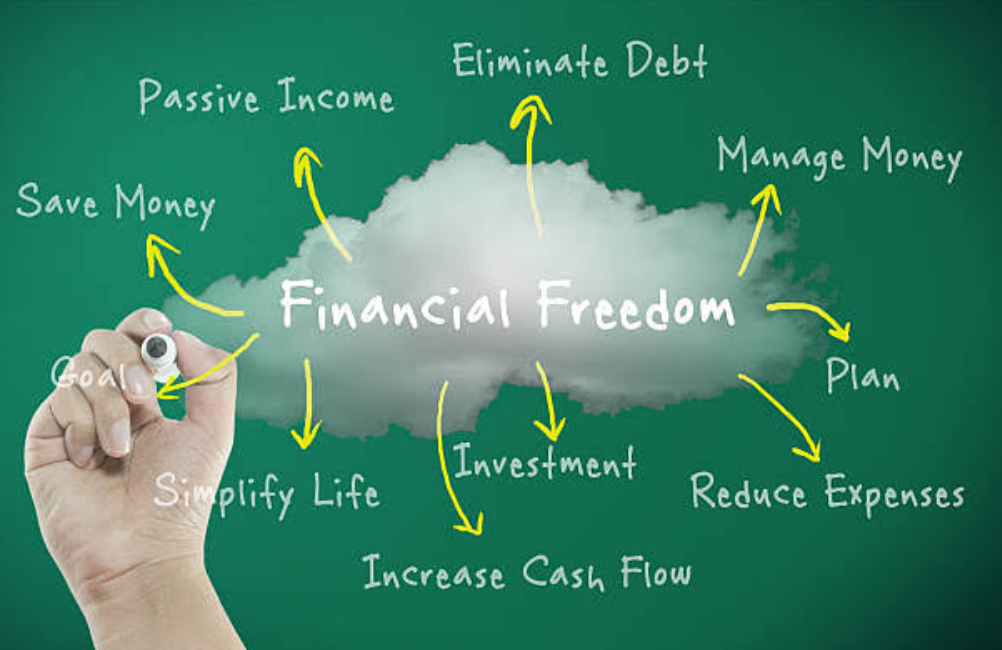
In today’s rapidly changing economy, relying solely on a paycheck is becoming increasingly risky. Rising living costs, inflation, unexpected emergencies, and economic uncertainty have encouraged millions of people to seek smarter financial strategies. This is where passive income and personal finance management tips become essential.
Passive income allows you to generate earnings with minimal ongoing effort, while effective personal finance management helps you maximize every dollar you earn. Together, these two financial pillars can accelerate wealth creation, improve financial security, and create long-term freedom.
This comprehensive guide explores proven strategies, practical tips, comparisons, costs, benefits, and frequently asked questions to help you build a stronger financial future.
The Financial Problems Most People Face
Many individuals struggle financially despite earning decent incomes. Common problems include:
1. Living Paycheck to Paycheck
A large percentage of workers spend nearly all their monthly income on expenses, leaving little room for savings or investments.
2. Rising Inflation
Inflation gradually reduces purchasing power, making it harder to maintain financial stability.
3. Lack of Emergency Funds
Unexpected medical bills, job loss, or major repairs can create financial hardship.
4. Insufficient Retirement Savings
Many people delay retirement planning until it’s too late.
5. Dependence on a Single Income Source
Losing a job often means losing the primary source of income.
6. Poor Money Management Habits
Overspending, impulse purchases, and lack of budgeting can prevent wealth accumulation.
Why Passive Income Matters
Passive income creates earnings that continue with little ongoing involvement after the initial setup.
Examples include:
- Dividend investments
- Rental properties
- Digital products
- Affiliate marketing
- Royalties
- Online courses
- High-yield savings accounts
- Index fund investments
The primary goal is simple:
Make money work for you instead of constantly working for money.
The Best Passive Income and Personal Finance Management Tips
1. Create a Detailed Monthly Budget
A budget serves as the foundation of financial success.
Recommended budget allocation:
| Category | Percentage |
|---|---|
| Needs | 50% |
| Wants | 30% |
| Savings & Investments | 20% |
Track:
- Housing
- Utilities
- Transportation
- Food
- Insurance
- Entertainment
- Investments
Benefits:
- Reduces wasteful spending
- Improves financial awareness
- Increases savings rate
2. Build an Emergency Fund First
Before investing aggressively, establish emergency savings.
Recommended amount:
- 3–6 months of expenses
- 6–12 months for self-employed individuals
Benefits:
- Prevents debt accumulation
- Provides financial security
- Reduces stress
3. Eliminate High-Interest Debt
High-interest debt can destroy wealth-building progress.
Priority debts include:
- Credit cards
- Payday loans
- Personal loans with high rates
Strategies:
Debt Snowball
Pay smallest balances first.
Debt Avalanche
Pay highest interest rates first.
The avalanche method generally saves more money over time.
4. Invest Consistently
Investing is one of the most powerful wealth-building tools available.
Popular options:
Index Funds
Advantages:
- Low fees
- Diversification
- Long-term growth
ETFs
Benefits:
- Easy to buy
- Low management costs
Dividend Stocks
Provide:
- Potential appreciation
- Recurring income
5. Create Multiple Income Streams
Wealthy individuals rarely rely on one income source.
Examples:
Active Income
- Full-time employment
- Freelancing
- Consulting
Passive Income
- Investments
- Rental properties
- Online businesses
Portfolio Income
- Stocks
- Bonds
- ETFs
The more diversified your income sources, the more resilient your finances become.

Top Passive Income Ideas for Beginners
Affiliate Marketing
Promote products online and earn commissions.
Startup Cost:
- Low
Income Potential:
- Moderate to high
Best For:
- Bloggers
- Content creators
- Website owners
Dividend Investing
Purchase stocks that pay regular dividends.
Startup Cost:
- Flexible
Income Potential:
- Medium to high
Best For:
- Long-term investors
Real Estate Rentals
Generate monthly rental income.
Startup Cost:
- High
Income Potential:
- High
Best For:
- Investors seeking cash flow
Online Courses
Create educational content once and sell repeatedly.
Startup Cost:
- Low to moderate
Income Potential:
- High
Best For:
- Experts and educators
Digital Products
Examples:
- Templates
- E-books
- Printables
- Software
Advantages:
- Low maintenance
- Global reach
- High profit margins
Personal Finance Management Framework
Step 1: Earn More
Focus on:
- Salary growth
- Side hustles
- Skill development
Step 2: Spend Less
Reduce:
- Unnecessary subscriptions
- Impulse purchases
- Lifestyle inflation
Step 3: Save More
Automate:
- Savings transfers
- Investment contributions
Step 4: Invest Wisely
Choose diversified assets.
Step 5: Protect Wealth
Maintain:
- Health insurance
- Property insurance
- Emergency funds
Passive Income Comparison Table
| Passive Income Method | Startup Cost | Risk Level | Income Potential |
|---|---|---|---|
| Dividend Stocks | Low | Medium | Medium |
| Index Funds | Low | Medium | Medium |
| Rental Property | High | Medium | High |
| Affiliate Marketing | Low | Medium | High |
| Online Courses | Low | Low | High |
| Digital Products | Low | Low | High |
| REITs | Low | Medium | Medium |
| YouTube Content | Medium | Medium | High |
Typical Pricing and Startup Costs
| Method | Estimated Cost |
|---|---|
| Dividend Investing | $100–$1,000+ |
| Index Funds | $50–$500+ |
| Affiliate Website | $50–$300 |
| Blog Setup | $50–$200 |
| Online Course Creation | $0–$500 |
| E-book Publishing | $0–$100 |
| Rental Property | $10,000+ |
| REIT Investing | $100+ |
Many passive income opportunities can begin with less than $500.
Benefits of Combining Passive Income and Personal Finance Management
Faster Wealth Growth
Additional income can be invested for compounding returns.
Reduced Financial Stress
More income sources create stability.
Greater Flexibility
Passive income can supplement employment earnings.
Earlier Retirement Opportunities
Additional cash flow accelerates retirement planning.
Protection Against Economic Downturns
Diversified income sources reduce risk.
Increased Financial Independence
Financial freedom becomes more achievable.
Common Mistakes to Avoid
Chasing Get-Rich-Quick Schemes
Most legitimate passive income opportunities require time and effort.
Ignoring Budgeting
Income growth alone doesn’t guarantee wealth.
Lack of Diversification
Avoid concentrating all investments in one asset.
Not Reinvesting Earnings
Compounding significantly boosts long-term growth.
Taking Excessive Risk
Balance growth potential with risk tolerance.
Advanced Wealth-Building Strategies
Dollar-Cost Averaging
Invest fixed amounts regularly regardless of market conditions.
Benefits:
- Reduces emotional investing
- Builds consistency
Dividend Reinvestment
Automatically reinvest dividend payments.
Advantages:
- Accelerates compounding
- Increases future income
Tax Optimization
Consider:
- Retirement accounts
- Tax-efficient investments
- Capital gains planning
Asset Allocation
Diversify among:
- Stocks
- Bonds
- Real estate
- Cash equivalents
10 Daily Financial Habits That Build Wealth
- Track spending.
- Avoid impulse purchases.
- Read financial news.
- Learn investing basics.
- Review goals weekly.
- Automate savings.
- Reduce unnecessary expenses.
- Increase financial literacy.
- Monitor investments.
- Focus on long-term growth.
Consistency often matters more than income level.
Frequently Asked Questions (FAQ)
What is passive income?
Passive income is money earned with minimal ongoing effort after initial setup, such as dividends, rental income, or digital product sales.
How much money do I need to start investing?
Many investment platforms allow investing with as little as $50 to $100.
Which passive income source is best for beginners?
Index funds, dividend investing, affiliate marketing, and digital products are popular beginner-friendly options.
Can passive income replace a full-time job?
Yes, but it typically requires years of building assets and multiple income streams.
How long does it take to build meaningful passive income?
Results vary, but most successful passive income systems require consistent effort over several months or years.
Should I pay off debt before investing?
High-interest debt should generally be prioritized before aggressive investing.
Final Thoughts
Building wealth is not about finding a secret formula. The most effective strategy combines disciplined money management with sustainable passive income creation. By following these passive income and personal finance management tips, you can increase savings, grow investments, reduce financial stress, and create multiple streams of income that support long-term financial independence.
The earlier you begin, the greater the power of compounding and the easier it becomes to achieve your financial goals.
Call to Action (CTA)
Ready to take control of your finances?
Start today by:
✅ Creating a monthly budget
✅ Building an emergency fund
✅ Eliminating high-interest debt
✅ Investing consistently
✅ Launching your first passive income stream
Small actions taken consistently can lead to extraordinary financial results over time.