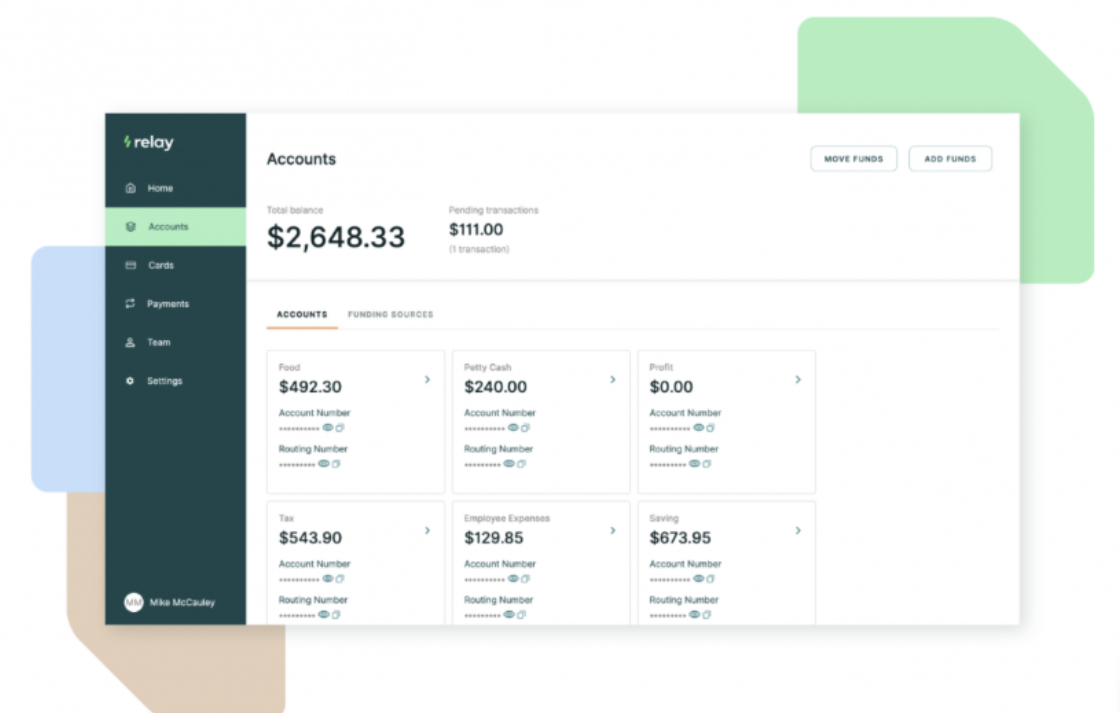
In today’s fast-moving online economy, businesses are changing the way they manage money. Traditional banking methods are no longer enough for modern companies that operate remotely, hire international freelancers, and rely on cloud-based tools. This is one of the main reasons why digital business banking for remote companies is growing rapidly across the world.
From startups and SaaS companies to eCommerce stores and digital agencies, more organizations are moving toward online banking solutions that offer speed, flexibility, automation, and lower costs. Digital banking platforms are becoming essential for companies that want to stay competitive in a global market.
This article explains why digital business banking is expanding so quickly, the problems it solves, the benefits it offers, pricing comparisons, and how remote companies can choose the best banking platform for their needs.
The Problem With Traditional Business Banking
For many years, business banking relied heavily on physical branches, paperwork, and manual processes. While this worked for traditional companies with local offices, it creates serious limitations for modern remote businesses.
1. Slow Processes
Traditional banks often require:
- In-person verification
- Paper documents
- Long approval times
- Manual wire transfers
- Delayed international payments
For remote businesses operating across multiple countries and time zones, these delays can reduce productivity and hurt cash flow.
2. Limited Access for Remote Teams
Remote companies need financial access from anywhere in the world. Traditional banks may restrict:
- International logins
- Team permissions
- Mobile banking capabilities
- Multi-user financial management
This creates inefficiency for distributed teams.
3. High Banking Fees
Many traditional business banks charge:
- Monthly maintenance fees
- International transfer fees
- Currency conversion fees
- ATM fees
- Overdraft penalties
These costs add up quickly for startups and online businesses.
4. Poor Integration With Modern Tools
Remote companies often use:
- Accounting software
- Payroll systems
- CRM platforms
- Project management tools
- eCommerce systems
Older banks may not integrate smoothly with modern cloud applications.
5. Complex International Transactions
Remote businesses frequently work with:
- Global freelancers
- International clients
- Overseas suppliers
- Remote contractors
Traditional banking systems can make international payments expensive and slow.
The Rise of Digital Business Banking
Digital business banking platforms were created to solve these modern business challenges. Unlike traditional banks, digital banking providers focus on speed, accessibility, automation, and global connectivity.
Today, millions of companies are adopting digital-first banking solutions because they simplify financial operations.
What Is Digital Business Banking?
Digital business banking refers to online banking services designed specifically for businesses. These platforms typically operate through:
- Mobile apps
- Cloud-based dashboards
- Online account management
- Virtual cards
- Automated financial tools
Many digital banks operate without physical branches, allowing them to reduce operational costs and provide better pricing.

Why Digital Business Banking Is Growing Fast
1. Remote Work Is Expanding Worldwide
Remote work has become mainstream. Companies now hire employees and freelancers globally.
Because teams are distributed across countries, businesses need banking systems that support:
- Multi-currency accounts
- Instant transfers
- International payroll
- Real-time expense management
Digital business banking for remote companies provides exactly these features.
2. Faster Payments Improve Cash Flow
Cash flow is critical for every business.
Digital banks often provide:
- Same-day transfers
- Faster ACH payments
- Real-time notifications
- Automated invoicing
This allows businesses to access money faster and manage finances more efficiently.
3. Mobile Banking Is More Convenient
Modern entrepreneurs manage their businesses directly from smartphones.
Digital banking apps allow users to:
- Send payments
- Approve transactions
- Monitor balances
- Freeze cards
- Track expenses
All without visiting a bank branch.
4. Automation Saves Time
One of the biggest advantages of digital banking is automation.
Features often include:
- Automatic bookkeeping
- Invoice matching
- Recurring payments
- Tax categorization
- Financial reporting
This reduces administrative work and saves hours every month.
5. Lower Operating Costs
Digital banks typically operate online only, which reduces infrastructure costs.
As a result, businesses often benefit from:
- Lower monthly fees
- Free international transfers
- Reduced currency exchange costs
- No minimum balance requirements
This makes digital banking attractive for startups and small businesses.
Best Features of Digital Business Banking Platforms
Multi-Currency Accounts
Remote businesses working internationally need the ability to hold multiple currencies.
Digital banks often support:
- USD
- EUR
- GBP
- AUD
- CAD
- SGD
This helps businesses avoid unnecessary conversion fees.
Virtual Business Cards
Virtual cards improve online payment security.
Businesses can create separate cards for:
- Advertising expenses
- Software subscriptions
- Team spending
- Vendor payments
This improves budgeting and fraud protection.
Team Access Controls
Remote companies need collaborative financial management.
Digital banks provide:
- Role-based permissions
- Expense approvals
- Employee cards
- Spending limits
This keeps financial operations organized.
Accounting Integration
Modern banking platforms integrate directly with tools like:
- QuickBooks
- Xero
- FreshBooks
- Stripe
- PayPal
Automation improves accounting accuracy and reduces manual work.
Real-Time Analytics
Business owners can instantly track:
- Revenue
- Expenses
- Cash flow
- Profit margins
- Subscription costs
Real-time visibility improves decision-making.
Digital Banking vs Traditional Banking
| Feature | Digital Banking | Traditional Banking |
|---|---|---|
| Account Opening | Fast online setup | In-person paperwork |
| International Transfers | Usually cheaper | Often expensive |
| Mobile Features | Advanced | Limited |
| Automation | Extensive | Minimal |
| Monthly Fees | Lower | Higher |
| Remote Accessibility | Excellent | Moderate |
| Integrations | Cloud-based | Limited |
| Speed | Instant/fast | Slower |
Pricing Comparison
Traditional Banks
Typical costs include:
- Monthly fees: $15–$50
- Wire transfer fees: $20–$50
- Currency conversion fees
- Overdraft charges
Digital Business Banks
Many online banking platforms offer:
- Free basic accounts
- Low-cost premium plans
- Reduced transfer fees
- No branch maintenance fees
Typical plans range from:
- Free starter plans
- $10–$30 monthly business plans
- Enterprise custom pricing
This pricing structure is ideal for startups and remote teams.
Benefits of Digital Business Banking for Remote Companies
1. Better Financial Flexibility
Businesses can operate globally without depending on physical locations.
2. Faster Business Scaling
Digital banking supports rapid company growth through automation and international compatibility.
3. Improved Security
Modern banking platforms use:
- Two-factor authentication
- Fraud monitoring
- Encryption
- Virtual card protection
4. Easier International Hiring
Remote companies can pay international workers quickly and efficiently.
5. Better Expense Tracking
Automatic categorization makes tax preparation easier.
Industries Benefiting Most From Digital Banking
Several industries are rapidly adopting digital banking solutions.
SaaS Companies
Subscription-based businesses need recurring payment management and global transactions.
eCommerce Stores
Online stores require payment integrations and multi-currency support.
Digital Marketing Agencies
Agencies manage multiple client payments and remote contractors.
Freelance Teams
Freelancers working globally benefit from fast international transfers.
Startups
Startups prefer low-cost, scalable financial solutions.
Challenges of Digital Business Banking
Although digital banking offers many benefits, businesses should also understand potential challenges.
Limited Physical Branches
Some businesses still require in-person banking services.
Cash Deposit Limitations
Online-only banks may not support easy cash deposits.
Learning Curve
Teams may need time to adapt to new financial systems.
How to Choose the Right Digital Banking Platform
When choosing a digital business bank, consider:
Security Features
Look for:
- Encryption
- Two-factor authentication
- Fraud alerts
International Payment Support
Remote businesses should prioritize low-cost global transfers.
Integration Options
Choose platforms compatible with accounting and payment tools.
Customer Support
Reliable support is important for financial operations.
Pricing Transparency
Avoid hidden fees and complicated pricing models.
The Future of Digital Business Banking
The future of banking is increasingly digital.
Experts predict continued growth in:
- AI-powered financial tools
- Automated accounting
- Embedded finance
- Cryptocurrency integrations
- Cross-border banking solutions
As remote work expands, digital banking adoption will likely accelerate even further.
Businesses that adapt early can gain competitive advantages through faster operations, lower costs, and improved scalability.
FAQ
What is digital business banking?
Digital business banking is an online financial service designed for businesses. It allows companies to manage accounts, payments, and expenses through digital platforms.
Why are remote companies using digital banking?
Remote companies need flexible financial systems that support international payments, mobile access, automation, and team collaboration.
Is digital business banking secure?
Most digital banking platforms use advanced security features such as encryption, fraud monitoring, and two-factor authentication.
Are digital banks cheaper than traditional banks?
In many cases, yes. Digital banks often have lower fees because they operate online without physical branches.
Can startups use digital business banking?
Yes. Many digital banks are specifically designed for startups and small businesses.
Final Thoughts
Digital banking is transforming how modern businesses manage finances. The rise of remote work, global hiring, and online entrepreneurship has created strong demand for flexible banking solutions.
Digital business banking for remote companies offers faster payments, lower fees, automation, and global accessibility that traditional banks often cannot match.
As technology continues to evolve, digital banking will likely become the standard choice for startups, freelancers, SaaS companies, and remote-first organizations worldwide.
Businesses that embrace digital financial systems today can position themselves for long-term growth and operational efficiency.
Call To Action
If your company operates remotely or plans to expand globally, now is the perfect time to explore digital business banking solutions. Compare features, pricing, security, and integrations carefully to find the best platform for your business goals.
Choosing the right digital banking partner can help your company save money, improve productivity, and scale faster in the digital economy.